
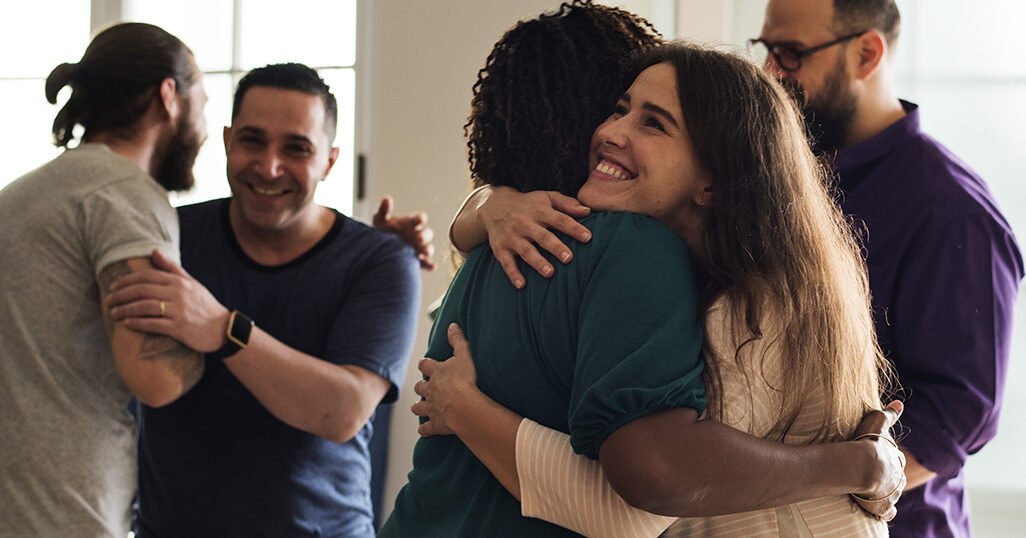
A reflection upon my legacy in the classroom.
It turns out the lessons that impact my students the most aren’t the ones I pre-planned. They weren’t outlined in the syllabus or color-coded in my schedule (though if you ask anyone, I am proud of my color-coding). The impact I made emerged from far more complex and deeper moments. It was felt in the moments when I rearranged my agenda because the group needed to process something real together. The instances when I noticed a small detail about a student and invited them to share more about it with the class. My students remember vulnerability, laughter, and the feeling of being seen in the classroom. This “invisible curriculum,” as I have deemed it, is an environment of trust, humanity, and belonging. It may not be explicitly listed in my course description, but it is what my students carry with them long after the semester ends, and this “invisible curriculum” is the fuel that keeps me going.
I’ve learned that trust in the classroom is the soil for learning. Without it, even the most brilliant content won’t stick. There are many ways in which I seek to earn the trust of my students. It starts at the beginning of every class session.
Warm Up Exercises
I begin each class with an invitation for students to express what is on their minds; their “struggles and triumphs.” It is a short warm-up exercise that allows everyone in the class to cheer for their classmates’ successes, and hold space for their sorrows and anxieties. By starting with this warm-up exercise, I gently remind my students that I am not the only person who matters in my classroom. In fact, each of them is a co-creator of our vibrant and trusting learning community.
My Own Vulnerability
While I may not explicitly request vulnerability from my students, it is my goal to earn their vulnerability in order to enhance our learning community. The number one way that I earn their vulnerability is by practicing it myself. I stay committed to showing up as a whole human being in every class session.
Being vulnerable as the instructor means if I pose a personal question to the class, I will share my own story first. I do this not to center myself, but to signal that this space allows for truth and transparency, even from the person in charge. Sometimes when I invite them to take a deep, mindful breath before an exam, I close my eyes and do it with them. Then we all physically shake out our nerves. Another way I practice vulnerability is when I invite them to approach their long-held beliefs through a lens of curiosity- I often will do the same. In my classroom, we all ask ourselves; “What are the stories we have been told, and the stories we have told ourselves, that are causing us to think this way?”
While being fully present and engaged with my students inside and outside of the classroom comes very naturally to me, it is not as easy as a more traditional teaching approach that involves simply preaching from a lectern. In class, I am fully present with each of my students, and I host around 150 of them per semester! I learn all of their names, I learn their birth dates so we can sing in class, I learn about the sports they play, where their hometowns are located, the hot new lingo/reels of the week, their favorite matcha spots, their internships, their family visits, the list goes on! In addition to this, I am available 7 days a week for my students to reach out with questions about the class, ask for career advice, share a spiritual moment when they are grieving a loved one, lend an ear when they are upset about a relationship, or listen to whatever else may be on their minds. I fully open myself to my students which takes time, brain space, physical and emotional energy, and a little sprinkle of my own heart and soul. There is a personal sacrifice associated with this level of presence, but, of course, I wouldn’t change it for the world.
Why do I put my heart and soul into what I do? Why make personal sacrifices for these students who I may never speak to again in a few short months? The answer rests in the premise of this blog entry. Each of these souls carries with them the experience of having one person in their lives who cared. One person who made an effort to create a safe, vibrant, and cozy space for them to enjoy. One person who they could be vulnerable with and were left feeling validated and better off as a result. To me, this is enough.
It is always a special (and sometimes tear-filled) bonus when they reach out after the class and reflect on the way our classroom felt.
They say things like:
“You made me feel like I mattered.”
“I learned how to speak up.”
“I didn’t know I could feel this comfortable in a professional setting.”
Their words of affirmation about the “invisible curriculum” that I teach are what keep me going full steam ahead. Each time a new student expresses their enjoyment of the class, it reminds me that I still got it! It encourages me to always prioritize building community, not just building curriculum.
When I do it right, my students will remember the way we practiced humanity together. They will remember feeling safe, validated, and seen. When they share their reflections about the class with me, it shows me that my area of expertise –emotional intelligence– is so much more than a soft skill. It is a powerful leadership tool that has a profound impact, and, when we practice it well, it becomes our legacy.
Thank you for this. When you make our work in higher education about the student, it all feels better. Our students trust us with their life journey – things that are helping them while they are in school and post-grad/work life. There’s no doubt you are impacting them. Fight on! ✌🏻
So true, Professor! I couldn’t agree more about the welcoming, supportive environment you create in your classroom. Your approach inspired me to feel confident in my abilities as a student and grow in ways I would’ve never expected. I’m so glad we’ve stayed in contact and that I continue to learn from you beyond the classroom.
This is so inspiring. I love how much attention you pay to your students, learning their names, what they like to do, and even their birthdays! Trust in the classroom is key, and you do such a great job fostering it. The invisible curriculum will not only help them learn, but will stay with them forever. Congratulations, Nik!
Your support, engagement, and genuine interest in each and every one of your students do not go unnoticed. Each class is a gift—whether it’s a lecture on EQ, a spoken-word performance, or a class bonding activity. Thank you for making every student feel not only seen but appreciated. We’re excited to celebrate your half-birthday later this week!